Automotive
7
min reaad
5 Composite Materials Revolutionizing Automotive Manufacturing
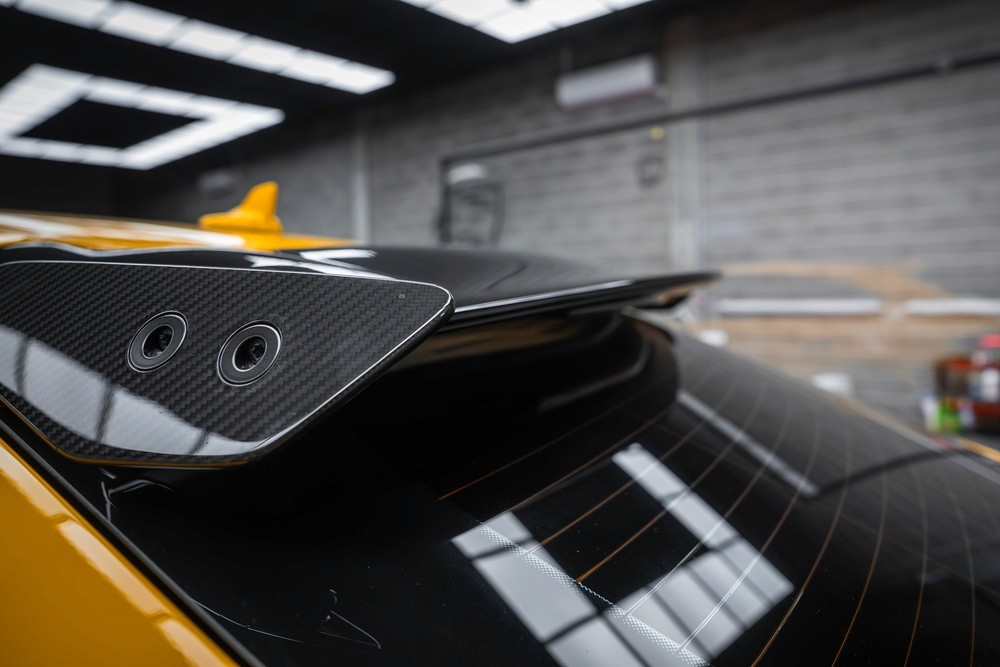
Introduction: The Automotive Industry's Lightweight Revolution
Vehicle weight directly impacts performance, fuel efficiency, and environmental sustainability. According to the U.S. Department of Energy, every 10% reduction in vehicle weight improves fuel economy by 6% - 8%, making lightweight automotive materials a critical focus for manufacturers worldwide.
Modern automakers face increasing pressure to produce vehicles that deliver superior performance while meeting strict emissions standards. This challenge has accelerated the adoption of composite materials in automotive manufacturing, transforming how vehicles are designed and built.
Composite materials offer the perfect solution: exceptional strength-to-weight ratios, enhanced durability, and design flexibility that traditional metals can't match. These advanced materials are reshaping the automotive landscape, from high-performance sports cars to everyday commuter vehicles.
What Are Automotive Composite Materials?
Automotive composite materials combine two or more distinct components to create materials with superior properties. Typically, these consist of reinforcing fibers embedded in a matrix material, resulting in components that are lighter, stronger, and more versatile than conventional automotive materials.
The automotive composites market continues expanding as manufacturers recognize their potential for weight reduction, improved fuel efficiency, and enhanced vehicle performance. Let's examine the five composite materials driving this transformation.
1. Carbon Fiber Reinforced Polymer (CFRP): The Performance Leader
Carbon Fiber Reinforced Polymer (CFRP) represents the pinnacle of automotive composite technology. Created by combining carbon fibers with polymer resin, CFRP delivers exceptional strength while remaining remarkably lightweight.
Key automotive applications include:
High-performance sports car bodies
Luxury vehicle panels and components
Structural reinforcements
Aerodynamic body parts
Racing vehicle chassis
CFRP's superior strength-to-weight ratio makes it ideal for applications where performance is paramount. While historically expensive, advancing manufacturing processes are making CFRP more accessible for mainstream automotive production, particularly in electric vehicles where weight reduction directly impacts range.
The material's resistance to corrosion and fatigue also contributes to longer vehicle lifespans and reduced maintenance requirements.
2. Glass Fiber Reinforced Polymer (GFRP): The Versatile Workhorse
Glass Fiber Reinforced Polymer (GFRP) strikes an optimal balance between performance and cost-effectiveness. This versatile composite material offers excellent mechanical properties while remaining significantly more affordable than carbon fiber alternatives.
Common GFRP applications:
Exterior bumpers and body panels
Vehicle hoods and trunk lids
Interior structural components
Underhood applications
Electric vehicle battery enclosures
GFRP's corrosion resistance makes it particularly valuable in automotive applications exposed to harsh environments. The material also provides excellent electrical insulation properties, making it increasingly important in electric and hybrid vehicle manufacturing.
At Materia, we engineer GFRP solutions that deliver the perfect combination of lightweight performance, durability, and cost-effectiveness for automotive manufacturers seeking reliable composite components.
3. Natural Fiber Composites: Sustainability Meets Performance
Natural fiber composites utilize renewable plant-based materials including flax, hemp, jute, and kenaf. These eco-friendly automotive materials address growing consumer demand for sustainable vehicle production while maintaining necessary performance standards.
Typical automotive uses:
Interior door panels and trim
Dashboard components
Seat structures
Package trays
Sound dampening materials
Beyond environmental benefits, natural fiber composites offer excellent vibration damping and acoustic properties. They're also lighter than traditional glass fiber composites and provide comparable strength for many automotive applications.
Automakers like BMW, Mercedes-Benz, and Ford increasingly incorporate natural fiber composites to reduce their vehicles' environmental footprint while meeting lightweight design objectives.
4. Sheet Molding Compound (SMC): High-Volume Manufacturing Excellence
Sheet Molding Compound (SMC) combines thermoset resin with chopped glass fibers and various fillers to create a moldable composite material ideal for mass production automotive components.
Primary automotive applications:
Truck body panels and beds
Vehicle hoods and deck lids
Structural reinforcement components
Electrical housings and covers
SMC's ability to be molded into complex shapes with excellent surface finish makes it valuable for both visible and structural automotive parts. The material offers consistent quality in high-volume production environments, making it a preferred choice for automotive manufacturers focused on efficiency and reliability.
SMC also provides excellent dimensional stability and resistance to automotive fluids, ensuring long-term performance in demanding automotive environments.
5. Aluminum Composite Panels (ACP): Lightweight Structural Solutions
Aluminum Composite Panels feature aluminum face sheets bonded to a lightweight polymer core, creating materials that combine aluminum's strength with significantly reduced weight.
Key automotive applications:
Body-in-white structures
Chassis reinforcement components
Heat shields and thermal barriers
Protective underbody panels
Electric vehicle battery protection
ACP materials excel in applications requiring excellent strength-to-weight ratios, thermal management, and crash energy absorption. Their layered structure allows engineers to optimize thickness and properties for specific automotive applications.
The material's excellent formability enables complex shapes while maintaining structural integrity, making it valuable for both safety-critical and performance applications.
The Future of Automotive Composite Materials
The automotive composite materials market continues evolving rapidly, driven by electrification, autonomous vehicles, and sustainability requirements. Electric vehicles particularly benefit from composite materials due to their need for maximum weight reduction to extend range.
Advanced manufacturing techniques like automated fiber placement, resin transfer molding, and hybrid composite structures are making high-performance composites more accessible for mainstream automotive production.
Recycling technologies for automotive composites are also advancing, addressing end-of-life vehicle concerns and supporting circular economy principles in automotive manufacturing.
Materia: Your Partner in Advanced Automotive Composites
At Materia, part of the Mayco Group, we bring decades of expertise in automotive composite manufacturing. Our comprehensive capabilities include:
Precision composite tooling design and manufacturing
Advanced molding and forming solutions
Scalable production from prototype to high-volume
Quality automotive components engineered for performance
From initial concept development through full-scale production, Materia delivers composite solutions that meet the demanding requirements of modern automotive manufacturing.
Driving Innovation Through Advanced Materials
Composite materials are fundamentally transforming automotive manufacturing, enabling vehicles that are lighter, stronger, more efficient, and more sustainable. As the industry continues evolving toward electrification and autonomous driving, composite materials will play an increasingly critical role in vehicle design and performance.
The right composite material selection can significantly impact your vehicle's performance, efficiency, and environmental footprint. Contact us today to discover how Materia's advanced composite solutions can accelerate your next automotive innovation project.
More blogs worth exploring
Explore expert insights, industry trends, and practical articles on composite design, manufacturing, and applications.

Aerospace
5
min read
Revolutionizing Aviation: How Carbon Fiber Is Transforming Aircraft Efficiency and the Future of Flight
Discover how carbon fiber is revolutionizing aerospace manufacturing with enhanced fuel efficiency, superior strength, and advanced aerodynamic capabilities for next-generation aircraft design.
Automotive
6
min read
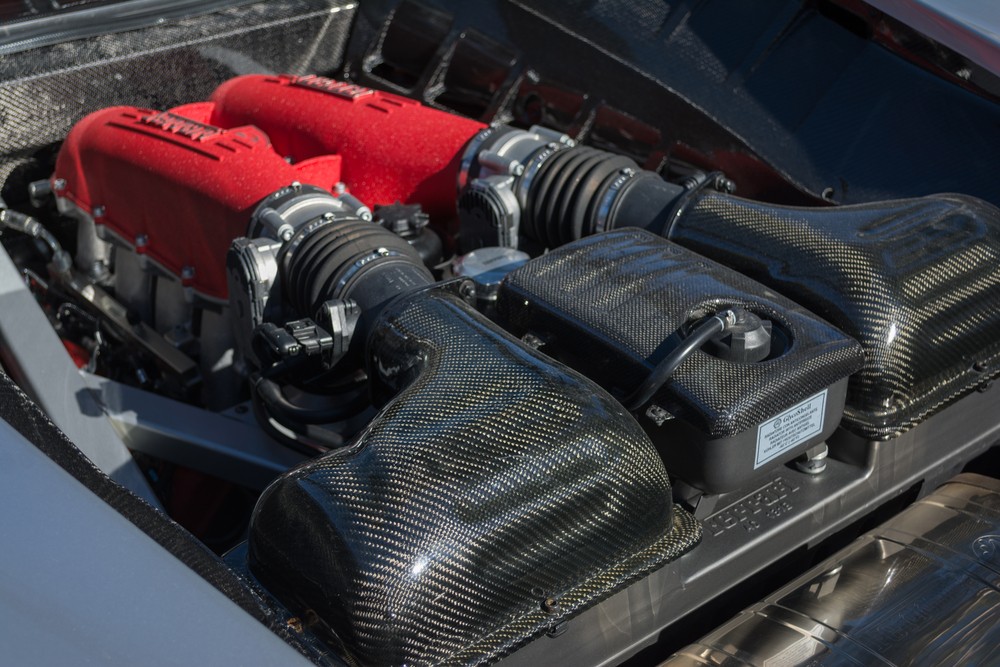
The Ultimate Guide to Custom Carbon Fiber Parts: From Concept to Production
Discover carbon fiber's automotive revolution since the 1980s. Master the complete 5-step process for designing custom parts, from planning to manufacturing partner selection.