Automotive
6
min reaad
The Ultimate Guide to Custom Carbon Fiber Parts: From Concept to Production
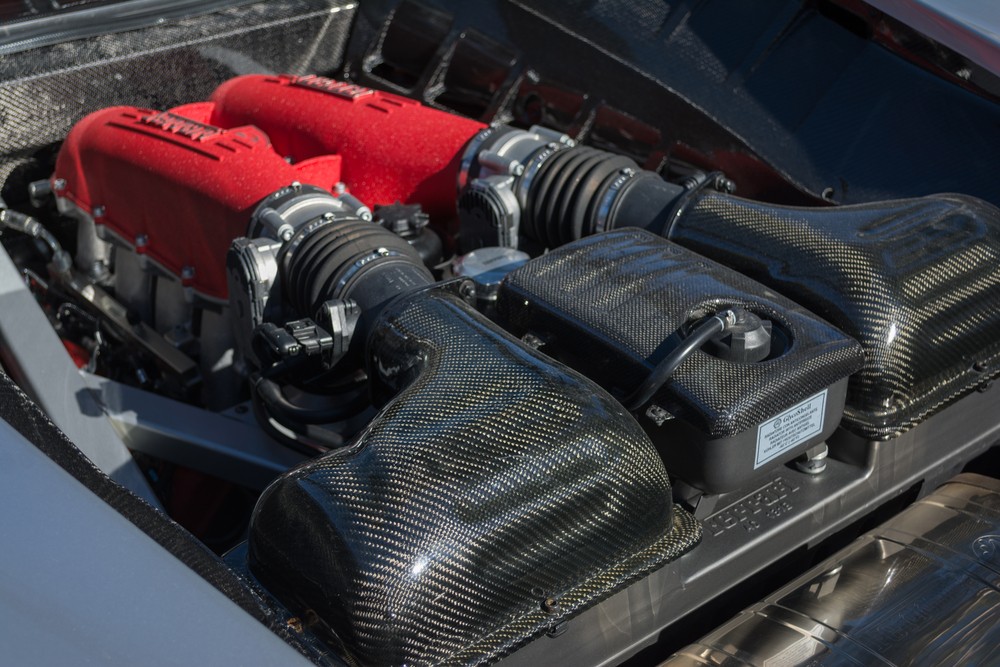
Since its debut in Formula 1 racing during the 1980s, carbon fiber has revolutionized the automotive industry. What started as an exclusive material for high-performance racing has evolved into a game-changing solution for manufacturers, performance shops, and car enthusiasts worldwide.
Today's custom carbon fiber parts deliver exceptional weight reduction, enhanced performance, and striking aesthetics that set vehicles apart from the competition. Whether you're developing aerodynamic body panels, structural reinforcements, or interior trim pieces, understanding the complete design and manufacturing process is crucial for project success.
Why Custom Carbon Fiber Parts Are Taking Over the Automotive World
Carbon fiber's unique properties make it ideal for automotive applications. The material offers an impressive strength-to-weight ratio that's five times stronger than steel while weighing 70% less. This combination translates directly into improved acceleration, better fuel efficiency, and enhanced handling characteristics.
Beyond performance benefits, carbon fiber's distinctive woven texture and glossy finish create a premium aesthetic that's immediately recognizable. From subtle interior accents to aggressive body kits, custom carbon fiber parts help vehicle owners express their personal style while boosting functionality.
The automotive aftermarket has embraced carbon fiber manufacturing, with performance shops offering everything from hood vents and spoilers to complete body panel replacements. Even major OEM manufacturers now incorporate carbon fiber components into production vehicles, recognizing the material's versatility and consumer appeal.
Step 1: Define Clear Project Objectives
Successful carbon fiber projects start with precise goal definition. Before selecting materials or beginning production, establish exactly what you want to achieve with your custom parts.
Effective project planning prevents scope creep - a common issue where projects expand beyond their original parameters, leading to delays, cost overruns, and compromised results.
Essential goal-setting practices include:
Defining one primary objective for each component
Starting with simpler parts like trim pieces or panels
Avoiding overly complex initial designs
Planning for future expansion after gaining experience
For automotive shops working with customers, aligning project goals with specific performance or aesthetic requirements ensures better outcomes. A customer seeking improved track performance will have different priorities than someone wanting visual enhancement for a show car.
Step 2: Research and Planning Phase
Thorough research forms the foundation of any successful carbon fiber manufacturing project. This preparation phase helps avoid costly mistakes and ensures your finished components meet both performance and production expectations.
Key research areas include:
Material Requirements: Different carbon fiber weaves, resin systems, and core materials offer varying properties. 2x2 twill weave provides excellent drapability for complex curves, while plain weave offers superior strength for structural applications.
Manufacturing Capabilities: Understand available production methods, from hand lay-up for prototypes to resin transfer molding (RTM) for high-volume production.
Supplier Evaluation: Reliable material suppliers ensure consistent quality and on-time delivery. Research supplier certifications, quality control processes, and technical support capabilities.
Design Constraints: Every manufacturing process has limitations. Understanding these constraints early prevents design revisions later in the project timeline.
Step 3: Prototype Development and Testing
Prototyping represents the most critical phase in carbon fiber part development. A well-executed prototype identifies potential issues, validates design concepts, and provides a foundation for final production planning.
Prototyping benefits include:
Early identification of structural weaknesses
Optimization of fiber orientation for maximum strength
Cost reduction through design refinement
Aesthetic evaluation before committing to production tooling
Critical design considerations for carbon fiber prototypes:
Geometry Optimization: Smooth, flowing curves allow better fiber conformity and reduce stress concentrations. Sharp corners and complex angles can create weak points where fibers bunch or separate.
Wall Thickness: Consistent thickness ensures uniform strength distribution and prevents resin-rich areas that compromise structural integrity.
Draft Angles: Incorporating appropriate draft angles facilitates part removal from molds and reduces surface defects.
Mounting Points: Reinforced attachment areas distribute loads effectively and prevent localized failure under stress.
Step 4: Manufacturing Partner Evaluation
Selecting the right manufacturing partner can make or break your carbon fiber project. Not all composite manufacturers have the same capabilities, and matching your requirements to their strengths ensures optimal results.
Essential capability assessments:
Fiber Orientation Control: Advanced manufacturers can precisely control fiber direction for optimal strength characteristics. This capability is crucial for structural components that experience specific load patterns.
Resin System Expertise: Different applications require different resin systems. Epoxy resins offer excellent strength and durability, while vinyl ester provides superior chemical resistance.
Tooling Technology: High-quality tooling produces superior surface finishes and dimensional accuracy. Evaluate whether your partner uses temperature-controlled molds, vacuum bagging systems, and proper curing equipment.
Quality Control Processes: Consistent quality requires systematic testing and inspection procedures. Look for manufacturers with documented quality systems and testing capabilities.
Step 5: Understanding Carbon Fiber's Competitive Advantages
Custom carbon fiber parts deliver measurable benefits across multiple performance categories, making them attractive for diverse automotive applications.
Performance Benefits:
Weight reduction of 40-70% compared to steel components improves power-to-weight ratios, acceleration, and fuel economy. Racing applications particularly benefit from reduced unsprung weight in wheels and suspension components.
Durability Advantages:
Carbon fiber resists corrosion, UV degradation, and impact damage better than traditional materials. Properly manufactured parts can last decades without significant deterioration.
Design Flexibility:
The moldable nature of carbon fiber allows complex geometries impossible with metal fabrication. This flexibility enables aerodynamic shapes and integrated features that enhance both function and appearance.
Thermal Stability:
Carbon fiber maintains its properties across wide temperature ranges, making it suitable for engine bay applications and extreme operating conditions.
Materia: Your Carbon Fiber Manufacturing Partner
At Materia, we specialize in transforming innovative carbon fiber concepts into production-ready components. Our comprehensive manufacturing capabilities support projects from initial design through full-scale production.
Our core services include:
Design Engineering: Our experienced engineers optimize part geometry for performance, manufacturability, and cost-effectiveness.
Prototype Development: Rapid prototyping capabilities allow quick design iteration and validation before production commitment.
Advanced Manufacturing: State-of-the-art composite manufacturing equipment ensures consistent quality and precise dimensional control.
Scalable Production: Flexible manufacturing systems accommodate everything from limited production runs to high-volume OEM contracts.
Our team works closely with automotive manufacturers, performance shops, and individual enthusiasts to deliver carbon fiber solutions that exceed expectations. Every project receives personalized attention to ensure optimal results.
Bringing Your Carbon Fiber Vision to Life
Success in custom carbon fiber manufacturing requires careful planning, skilled execution, and the right manufacturing partnership. With proper preparation and expert guidance, carbon fiber components can dramatically improve vehicle performance while creating stunning visual impact.
The combination of advanced materials, proven manufacturing processes, and creative design possibilities makes carbon fiber an ideal choice for automotive applications ranging from subtle enhancements to complete vehicle transformations.
Ready to start your custom carbon fiber project? Contact us today to discuss your requirements and receive a detailed project quote.
More blogs worth exploring
Explore expert insights, industry trends, and practical articles on composite design, manufacturing, and applications.

Aerospace
5
min read
Revolutionizing Aviation: How Carbon Fiber Is Transforming Aircraft Efficiency and the Future of Flight
Discover how carbon fiber is revolutionizing aerospace manufacturing with enhanced fuel efficiency, superior strength, and advanced aerodynamic capabilities for next-generation aircraft design.
Automotive
5
min read
Why Carbon Fiber Body Panels Are Revolutionizing Luxury Automotive Design
Carbon fiber body panels revolutionize luxury automotive design with lightweight strength, superior durability, and distinctive aesthetics for high-performance vehicles.