Automotive
5
min reaad
Why Carbon Fiber Body Panels Are Revolutionizing Luxury Automotive Design
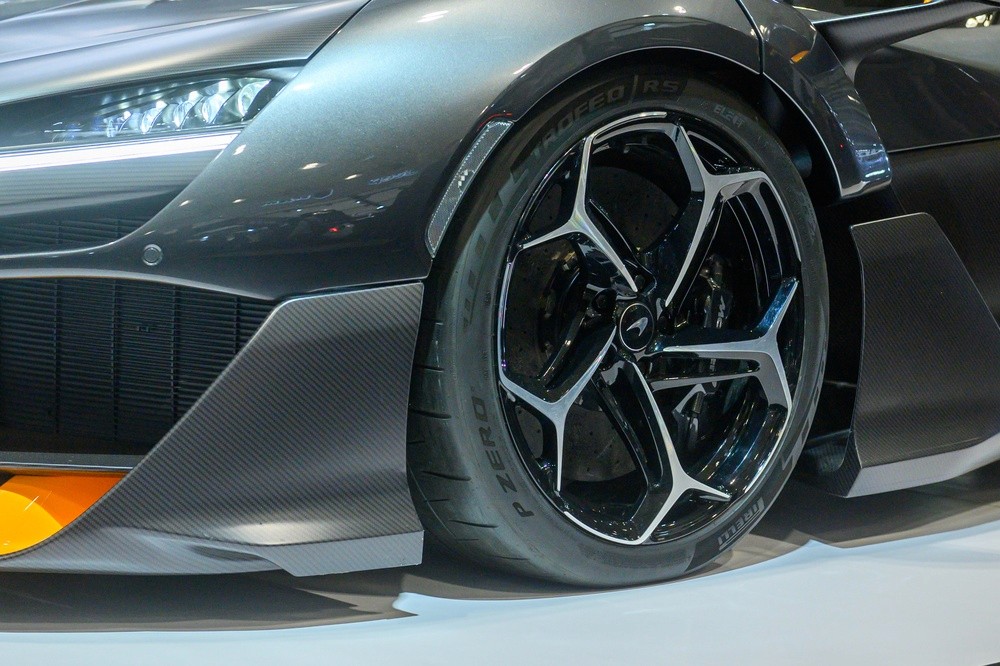
In the luxury automotive industry, carbon fiber body panels are transforming how high-performance vehicles are designed and manufactured. These advanced composite materials offer an unmatched combination of lightweight properties and exceptional strength, making them essential for modern luxury car engineering.
Carbon fiber's impact on automotive performance is significant. The U.S. Department of Energy reports that reducing a vehicle's weight by just 10% can improve fuel economy by 6% - 8%. When you consider that carbon fiber is up to five times stronger than steel while weighing substantially less, it's clear why luxury manufacturers are adopting this material for body panels and structural components.
The Evolution of Carbon Fiber in Automotive Applications
Carbon fiber's journey began in 1958 when Roger Bacon at the Union Carbide Parma Technical Center in Cleveland, Ohio, accidentally created the first modern carbon fibers while experimenting with heated rayon strands. This discovery revealed a material with unprecedented strength-to-weight ratios.
The automotive industry quickly recognized carbon fiber's potential. What started as an aerospace material has become a cornerstone of luxury vehicle manufacturing, particularly for body panels that require both structural integrity and weight reduction.
Today's carbon fiber manufacturing processes have evolved far beyond Bacon's initial discovery, enabling complex automotive applications that were previously impossible with traditional materials.
Key Benefits of Carbon Fiber Body Panels in Luxury Vehicles
Superior Weight-to-Strength Performance
Carbon fiber body panels dramatically reduce vehicle weight without compromising structural strength. This weight reduction directly translates to improved acceleration, enhanced handling characteristics, and better fuel efficiency - critical factors in luxury automotive performance.
Exceptional Durability and Corrosion Resistance
Unlike steel or aluminum, carbon fiber doesn't rust or corrode. This inherent resistance to environmental factors makes carbon fiber body panels ideal for long-term durability, maintaining their appearance and structural properties over extended periods.
Distinctive Aesthetic Appeal
Carbon fiber's signature woven texture and high-gloss finish have become synonymous with high-performance luxury vehicles. This visual appeal extends beyond functionality, creating a premium aesthetic that resonates with luxury car buyers.
Advanced Design Flexibility
Carbon fiber can be molded into complex aerodynamic shapes that traditional materials cannot achieve. This flexibility allows automotive designers to create innovative body panel designs that optimize both performance and visual appeal.
Carbon Fiber's Role in Electric Vehicle Development
Electric vehicles present unique challenges that make carbon fiber body panels even more valuable. Battery weight is a significant factor in EV performance, making every pound of weight reduction crucial for maximizing range and efficiency.
Carbon fiber body panels help offset battery weight while maintaining structural integrity. As electric luxury vehicles become more prevalent, carbon fiber's importance in automotive design will continue growing.
The material's properties align perfectly with EV requirements: lightweight construction for better range, durability for long-term battery protection, and design flexibility for aerodynamic efficiency.
Manufacturing Challenges and Industry Solutions
Cost Considerations
Carbon fiber production remains more expensive than traditional automotive materials. However, advancing manufacturing technologies and increased production volumes are gradually reducing these costs.
Production Scalability
Mass production of carbon fiber components requires specialized equipment and processes. The automotive industry is investing heavily in scalable manufacturing solutions to make carbon fiber more accessible.
Repair and Maintenance
Carbon fiber body panels require specialized repair techniques and tools. Training programs and improved repair processes are addressing these challenges as the material becomes more common.
Innovation in Carbon Fiber Manufacturing
Collaboration between automotive manufacturers and composite material specialists is driving significant improvements in carbon fiber production. These partnerships focus on reducing manufacturing costs, improving production efficiency, and developing recycling solutions for end-of-life vehicles.
Recent advances include automated fiber placement systems, improved resin technologies, and more efficient curing processes. These innovations are making carbon fiber body panels more practical for broader automotive applications.
Market Trends and Future Outlook
The global automotive carbon fiber market is experiencing rapid growth, driven by increasing demand for lightweight, fuel-efficient vehicles. Luxury car manufacturers are leading this adoption, with carbon fiber body panels becoming standard in many high-end models.
Future developments include bio-based carbon fiber materials, improved recycling methods, and more cost-effective manufacturing processes. These advances will expand carbon fiber's role beyond luxury vehicles into mainstream automotive applications.
Environmental Impact and Sustainability
Carbon fiber body panels contribute to vehicle sustainability through improved fuel efficiency and reduced emissions. The material's durability also extends vehicle lifespan, reducing the environmental impact of automotive manufacturing over time.
Recycling initiatives are addressing end-of-life concerns, with new processes enabling carbon fiber recovery and reuse. These developments support the automotive industry's broader sustainability goals.
Materia's Advanced Carbon Fiber Solutions
At Materia, we specialize in developing cutting-edge carbon fiber body panels and composite solutions for luxury automotive applications. Our expertise spans the complete production cycle, from initial design concepts to final manufacturing and quality control.
Our team works closely with automotive manufacturers to develop custom carbon fiber solutions that meet specific performance requirements while maintaining cost-effectiveness. We understand the unique challenges of automotive carbon fiber applications and provide comprehensive support throughout the development process.
The Future of Automotive Carbon Fiber Technology
Carbon fiber body panels represent just the beginning of composite materials' impact on automotive design. As manufacturing processes improve and costs decrease, carbon fiber will play an increasingly important role in vehicle construction.
Emerging technologies like 3D printing with carbon fiber composites, smart materials that respond to environmental conditions, and hybrid composite structures will further expand carbon fiber's automotive applications.
The integration of carbon fiber with other advanced materials will create new possibilities for lightweight, high-strength automotive components that exceed current performance standards.
Conclusion
Carbon fiber body panels are reshaping luxury automotive design by delivering unmatched performance benefits and aesthetic appeal. As the automotive industry continues evolving toward lighter, more efficient vehicles, carbon fiber technology will remain at the forefront of innovation.
The combination of weight reduction, strength enhancement, and design flexibility makes carbon fiber an essential material for modern luxury vehicle manufacturing. With ongoing advances in production technology and cost reduction, carbon fiber body panels will become increasingly common across all vehicle segments.
Contact Materia today to discover how our advanced carbon fiber solutions can transform your next automotive project.
More blogs worth exploring
Explore expert insights, industry trends, and practical articles on composite design, manufacturing, and applications.

Aerospace
5
min read
Revolutionizing Aviation: How Carbon Fiber Is Transforming Aircraft Efficiency and the Future of Flight
Discover how carbon fiber is revolutionizing aerospace manufacturing with enhanced fuel efficiency, superior strength, and advanced aerodynamic capabilities for next-generation aircraft design.
Automotive
6
min read
The Ultimate Guide to Custom Carbon Fiber Parts: From Concept to Production
Discover carbon fiber's automotive revolution since the 1980s. Master the complete 5-step process for designing custom parts, from planning to manufacturing partner selection.