Aerospace
5
min reaad
Revolutionizing Aviation: How Carbon Fiber Is Transforming Aircraft Efficiency and the Future of Flight

Introduction: The Aerospace Industry's Material Revolution
The aviation sector is experiencing a fundamental shift in aircraft manufacturing, driven by the urgent need for enhanced fuel efficiency and reduced environmental impact. At the center of this transformation is carbon fiber for aircraft applications, a revolutionary material that's redefining aerospace engineering standards.
Carbon fiber composites and other advanced aerospace materials are no longer experimental technologies - they're essential components powering the next generation of commercial and military aircraft. From reducing operational costs to improving passenger safety, carbon fiber is proving to be the key to unlocking superior aircraft performance.
This comprehensive guide explores why carbon fiber has become indispensable in modern aviation, its manufacturing breakthroughs, and how it's shaping the future of aerospace design.
The Evolution from Metal to Carbon: Why Aerospace Engineers Are Making the Switch
For decades, aluminum and titanium dominated aircraft construction due to their proven strength and reliability. However, rising fuel costs, environmental regulations, and passenger demand for efficiency have pushed the industry toward lightweight aircraft materials that deliver superior performance.
Carbon fiber reinforced polymer (CFRP) consists of carbon atoms bonded in a crystalline structure, creating an exceptionally strong yet lightweight material. This unique composition offers a strength-to-weight ratio that far exceeds traditional metals, making it ideal for aerospace applications.
The Boeing 787 Dreamliner exemplifies this material revolution, incorporating approximately 50% composite materials throughout its structure. This design innovation has achieved remarkable results: a 20% improvement in fuel efficiency and significant reduction in maintenance requirements compared to conventional aluminum aircraft.
Similarly, the Airbus A350 utilizes 52% composite materials, demonstrating how major manufacturers are embracing carbon fiber technology to meet modern aviation demands.
Game-Changing Benefits of Carbon Fiber in Aircraft Manufacturing
Enhanced Fuel Efficiency and Cost Savings
Weight reduction is the most immediate advantage of carbon fiber implementation. Every pound saved in aircraft weight translates to measurable fuel savings over the aircraft's operational lifetime. Airlines using carbon fiber aircraft report substantial decreases in operational costs, with some carriers achieving fuel savings exceeding 15% compared to traditional metal aircraft.
Superior Strength and Corrosion Resistance
Unlike aluminum, carbon fiber composites don't suffer from metal fatigue or corrosion. This resistance to environmental degradation extends aircraft lifespan and reduces maintenance intervals, providing significant cost advantages for operators.
Carbon fiber components can withstand extreme temperature variations and stress cycles that would compromise metal structures, making them ideal for demanding aerospace environments.
Advanced Aerodynamic Design Capabilities
Composite materials offer unprecedented design flexibility, allowing engineers to create complex, aerodynamically optimized shapes that would be impossible with traditional manufacturing methods. This capability enables smoother airflow, reduced drag, and enhanced overall aircraft performance.
Engineers can now integrate multiple functions into single composite components, reducing the total number of parts required and improving structural integrity.
Key Advantages Summary:
40-60% weight reduction compared to steel
Superior fatigue resistance extending component lifespan
Enhanced corrosion protection reducing maintenance costs
Improved design flexibility enabling aerodynamic optimization
Better vibration damping increasing passenger comfort
Carbon Fiber Manufacturing: Innovations Driving Aerospace Adoption
The carbon fiber manufacturing process begins with precursor materials like polyacrylonitrile (PAN), which are heated and treated to create pure carbon filaments. These filaments are then woven into fabrics and combined with specialized resins to form composite structures.
Recent manufacturing innovations have significantly reduced production costs while improving quality consistency. Automated fiber placement (AFP) and resin transfer molding (RTM) techniques are making carbon fiber more accessible for widespread aerospace applications.
Sustainability improvements in manufacturing include developing bio-based precursor materials and implementing recycling processes for end-of-life composite components. These advances address environmental concerns while maintaining the performance benefits that make carbon fiber essential for modern aviation.
Real-World Applications: Carbon Fiber Transforming Aircraft Systems
Primary Structural Components
Wing structures and control surfaces
Fuselage panels and frames
Landing gear components
Engine nacelles and housings
Interior and Secondary Systems
Cabin panels and overhead bins
Seat structures and components
Interior trim and decorative elements
Cargo compartment structures
Military and Specialized Applications
Fighter jet airframes requiring extreme performance
Unmanned aerial vehicles (UAVs) prioritizing weight reduction
Helicopter rotor blades demanding fatigue resistance
Satellite components for space applications
The Future of Carbon Fiber in Aerospace: Emerging Trends and Technologies
The role of carbon fiber in aircraft design continues expanding as manufacturers explore new applications and improved manufacturing techniques. Smart composites incorporating sensors and self-healing capabilities represent the next frontier in aerospace materials.
Additive manufacturing of carbon fiber components is enabling rapid prototyping and custom part production, accelerating development cycles and reducing costs. This technology is particularly valuable for producing complex geometries and low-volume specialized components.
Hybrid material systems combining carbon fiber with other advanced materials are creating opportunities for further performance optimization while addressing specific engineering challenges.
Sustainability initiatives are driving research into recyclable carbon fiber composites and bio-based manufacturing processes, ensuring that environmental benefits extend beyond improved fuel efficiency.
Materia: Leading Aerospace Composite Innovation
At Materia, we specialize in developing cutting-edge aerospace composite solutions that meet the rigorous demands of modern aviation applications. Our expertise spans the complete product lifecycle, from initial concept development through full-scale production implementation.
Our Comprehensive Aerospace Services:
Aerospace-grade composite manufacturing with certified quality systems
Custom carbon fiber component design optimized for specific applications
Precision engineering solutions meeting strict aerospace tolerances
Scalable production capabilities supporting prototype through volume requirements
Technical consulting for material selection and design optimization
Our experienced team understands the unique challenges of aerospace applications and delivers solutions that prioritize performance, reliability, and regulatory compliance.
Conclusion: Carbon Fiber as the Foundation of Next-Generation Aviation
Carbon fiber technology has evolved from an experimental material to an essential component of modern aircraft design. As the aviation industry faces increasing pressure to improve efficiency, reduce emissions, and enhance performance, carbon fiber composites provide the proven solutions needed to meet these challenges.
The continued advancement of manufacturing techniques, combined with growing industry expertise, ensures that carbon fiber will play an increasingly important role in shaping the future of flight. From commercial airliners to advanced military aircraft, carbon fiber is enabling innovations that were previously impossible with traditional materials.
Ready to explore how advanced carbon fiber solutions can enhance your aerospace projects? Contact us today to discuss your specific requirements and discover how Materia's expertise can help you achieve superior performance and efficiency in your next aviation application.
More blogs worth exploring
Explore expert insights, industry trends, and practical articles on composite design, manufacturing, and applications.
Automotive
6
min read
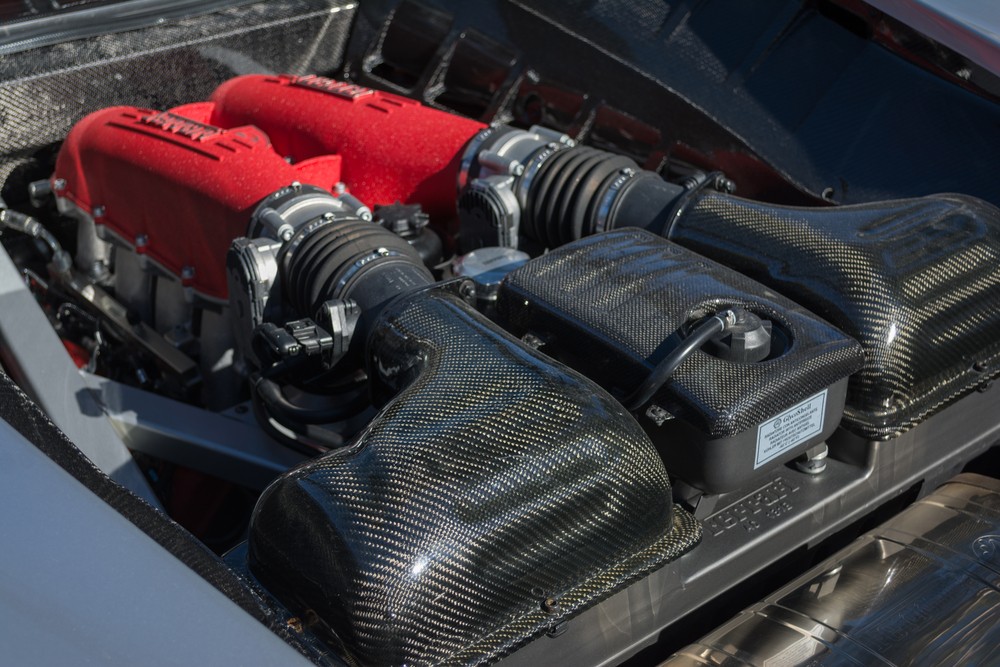
The Ultimate Guide to Custom Carbon Fiber Parts: From Concept to Production
Discover carbon fiber's automotive revolution since the 1980s. Master the complete 5-step process for designing custom parts, from planning to manufacturing partner selection.
Automotive
5
min read
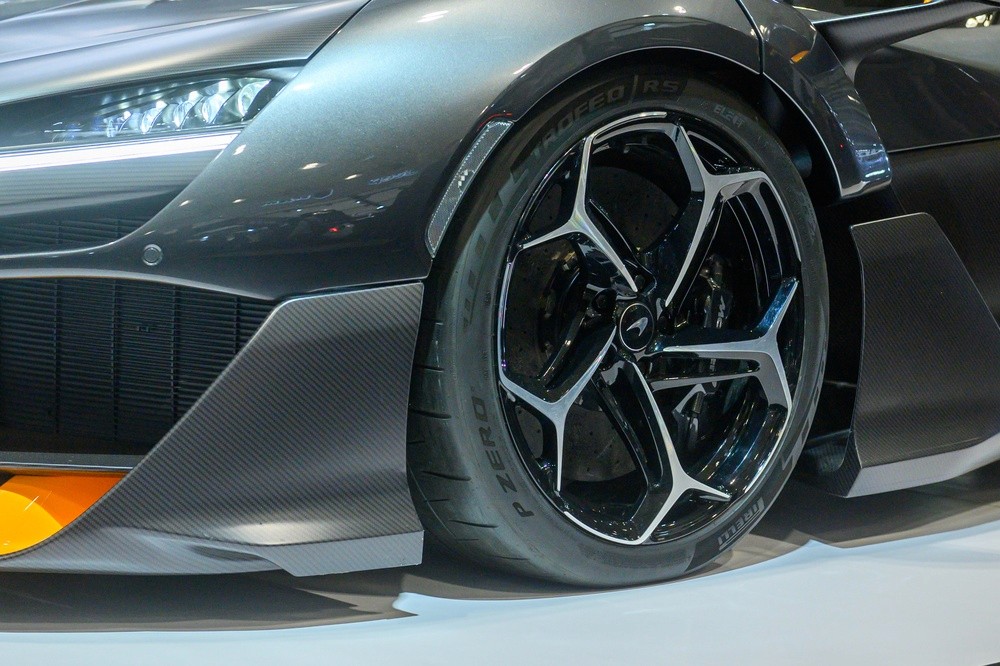
Why Carbon Fiber Body Panels Are Revolutionizing Luxury Automotive Design
Carbon fiber body panels revolutionize luxury automotive design with lightweight strength, superior durability, and distinctive aesthetics for high-performance vehicles.