Carbon Fiber
5
min reaad
7 Surprising Facts About Carbon Fiber: The Revolutionary Material Transforming Modern Manufacturing
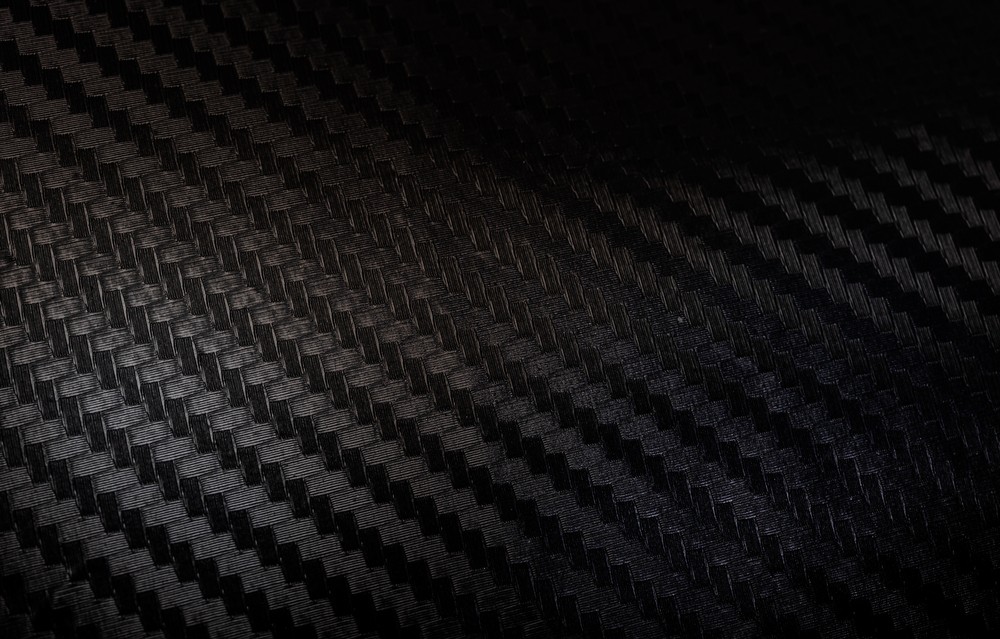
Carbon fiber has become one of the most critical materials in modern composite manufacturing, but its fascinating history stretches back much further than most people realize. Early carbon-based filaments were first used in the 1870s when Thomas Edison experimented with them for lightbulb designs - long before anyone imagined their potential in aerospace or automotive applications.
Today, carbon fiber technology has evolved into an essential material used across aerospace, automotive, defense, healthcare, and industrial manufacturing sectors. Its unique combination of lightweight structure, exceptional strength, and remarkable durability has completely transformed how engineers approach design challenges - from spacecraft components to high-performance sports equipment.
Whether you're in manufacturing, engineering, or simply curious about advanced materials, here are seven surprising facts about carbon fiber that reveal why this material continues to revolutionize industries worldwide.
What Makes Carbon Fiber So Special in Composite Manufacturing?
Before diving into these surprising facts, it's important to understand what sets carbon fiber apart from traditional materials. Unlike metals, carbon fiber offers an exceptional strength-to-weight ratio while maintaining flexibility in design applications. This versatility has made it indispensable for industries requiring both performance and weight reduction.
1. Carbon Fiber Isn't Actually Pure Carbon
Despite its name, carbon fiber is not just carbon. It's a sophisticated composite material created by combining carbon atoms with polymer systems such as epoxy resin to form a strong, stable structure that outperforms many traditional materials.
On its own, raw carbon fiber is surprisingly brittle and difficult to work with. However, when reinforced with specialized resin systems, it transforms into an extremely strong, lightweight, and versatile material - making it ideal for advanced composite manufacturing applications across multiple industries.
It's also crucial to distinguish carbon fiber from carbon nanotubes, which are significantly smaller, more expensive, and still limited in mass production capabilities. While nanotubes represent exciting possibilities for future materials science, carbon fiber remains the most widely used high-performance composite material available today.
2. Carbon Fiber Production Requires Highly Specialized Manufacturing
Most carbon fiber manufacturing is concentrated in a small number of specialized facilities worldwide. Producing high-quality carbon fiber requires advanced equipment, strict quality control protocols, and highly energy-intensive processes that few manufacturers can manage effectively.
Because of this manufacturing complexity, only a limited number of companies globally can produce carbon fiber at the scale required for major industries like aerospace, automotive, and defense. This specialization has created a tight-knit industry where quality and precision are paramount.
The production process involves precisely controlled heating and chemical treatments that align carbon atoms into long, stable chains - a process that requires both advanced technology and specialized expertise.
3. Carbon Fiber Can Be Engineered for Different Strength and Flexibility Requirements
One of carbon fiber's most valuable properties is its remarkable adaptability. By modifying weave patterns, resin systems, and heat treatment processes, manufacturers can control whether the final material is rigid for structural applications or more flexible for specialized uses.
Common weave patterns include plain weave for general applications, twill for balanced strength and flexibility, and satin finishes for smooth surface requirements - each offering distinctly different mechanical properties and performance characteristics.
This design flexibility makes carbon fiber ideal for customized applications in composite engineering and product development, allowing engineers to fine-tune material properties for specific performance requirements.
4. Carbon Fiber Has Expanded Across Almost Every Major Industry
Carbon fiber is no longer limited to high-end racing cars or aerospace applications - it's now widely used across multiple industries for various performance-critical applications.
In aerospace, carbon fiber has enabled lighter aircraft structures that significantly improve fuel efficiency and flight range. Commercial aircraft now use carbon fiber composites extensively in wings, fuselage sections, and interior components.
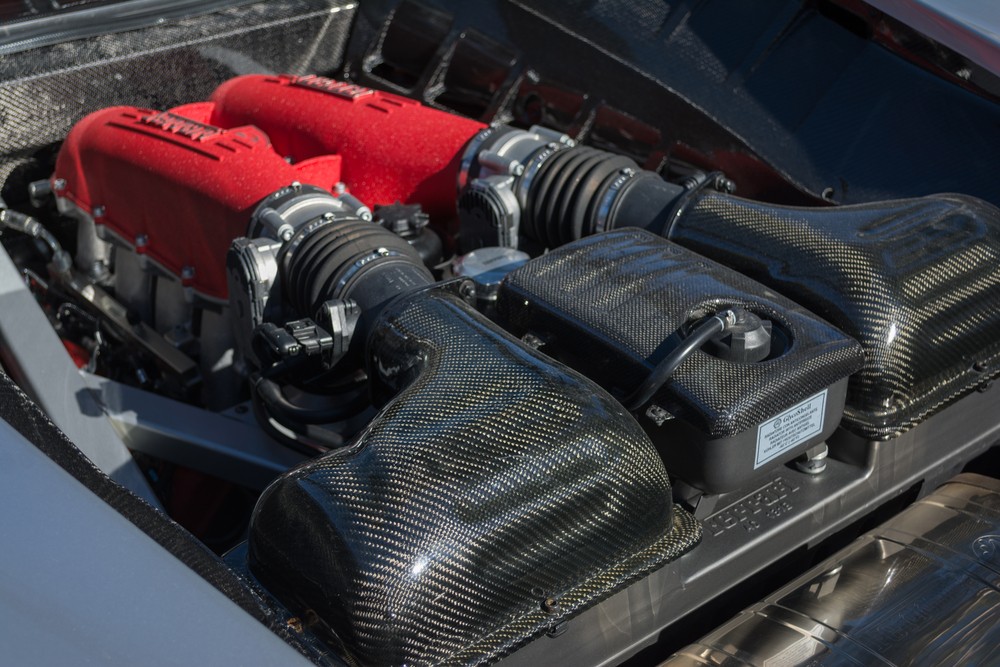
Automotive manufacturing has embraced carbon fiber for body panels, spoilers, roofs, and structural components to reduce vehicle weight and enhance performance. Luxury automotive brands and performance manufacturers use carbon fiber extensively to improve both aesthetics and engineering performance.
Healthcare applications include prosthetics, medical imaging equipment, and surgical devices due to carbon fiber's strength, low weight, and radiolucent properties that don't interfere with X-rays and other imaging technologies.
Even space exploration technologies rely heavily on carbon fiber composites for their exceptional durability and critical weight reduction capabilities in launch vehicles and spacecraft components.
5. Carbon Fiber Products Offer Exceptional Long-Term Durability
Carbon fiber composites are renowned for their impressive lifespan and resistance to environmental wear factors that typically degrade other materials. Unlike metals, carbon fiber doesn't rust, and it demonstrates high resistance to corrosion, fatigue, and environmental stress.
Many carbon fiber products are also treated with protective coatings that enhance resistance to UV exposure and environmental damage, extending their useful life even further.
This exceptional durability makes carbon fiber a cost-effective solution over time, especially in industries where reliability, safety, and longevity are critical factors in material selection.
6. Carbon Fiber Production Starts with Petroleum-Based Materials
Most carbon fiber is produced using a precursor material called polyacrylonitrile (PAN), which is derived from petroleum-based compounds. This might surprise people who think of carbon fiber as a completely synthetic material.
Through carefully controlled heating and chemical processing, carbon atoms are aligned into long, stable chains that form the basic fiber structure. These individual fibers are then woven into different patterns and combined with various resin systems to create strong composite materials with customizable properties.
Different resin systems and weave patterns allow engineers to fine-tune performance characteristics for specific applications in composite material engineering, creating materials optimized for particular use cases.
7. Damaged Carbon Fiber Components Can Sometimes Be Repaired
Although carbon fiber is incredibly strong and durable, it can still sustain damage under extreme impact conditions. Surprisingly, repairs are often possible depending on the severity and location of the damage.
Minor surface damage can frequently be repaired using specialized epoxy systems and professional patching techniques that restore both appearance and performance. However, structural damage typically requires full component replacement to restore original performance standards and maintain safety requirements.
This repairability adds significant value in industries where high-performance components must be maintained and serviced rather than completely replaced, reducing long-term operational costs.
The Future of Carbon Fiber in Advanced Composite Manufacturing
Carbon fiber continues to reshape the future of engineering and manufacturing across industries. As sectors increasingly demand lighter, stronger, and more efficient materials, carbon fiber composites are becoming a core solution for aerospace, automotive, defense, and industrial applications.
Manufacturing processes continue to improve, making carbon fiber more accessible while maintaining the exceptional performance characteristics that have made it indispensable for cutting-edge applications.
Research into new resin systems, weave patterns, and production techniques promises even greater capabilities in the coming years, with potential applications in renewable energy, infrastructure, and emerging technologies.
At Materia, we understand the transformative impact of advanced composite materials on modern manufacturing. Our expertise supports industries that rely on precision, performance, and innovation to push the boundaries of what's possible.
From initial design consultation to final production, Materia helps deliver high-performance composite solutions that meet the most demanding requirements across multiple industries.
Contact us today to discover how advanced composite materials can transform your next project and deliver the performance advantages your industry demands.
More blogs worth exploring
Explore expert insights, industry trends, and practical articles on composite design, manufacturing, and applications.

Aerospace
5
min read
Revolutionizing Aviation: How Carbon Fiber Is Transforming Aircraft Efficiency and the Future of Flight
Discover how carbon fiber is revolutionizing aerospace manufacturing with enhanced fuel efficiency, superior strength, and advanced aerodynamic capabilities for next-generation aircraft design.
Automotive
6
min read
The Ultimate Guide to Custom Carbon Fiber Parts: From Concept to Production
Discover carbon fiber's automotive revolution since the 1980s. Master the complete 5-step process for designing custom parts, from planning to manufacturing partner selection.