Carbon Fiber
4
min reaad
Can You Paint Carbon Fiber? A Complete Guide to Professional Results
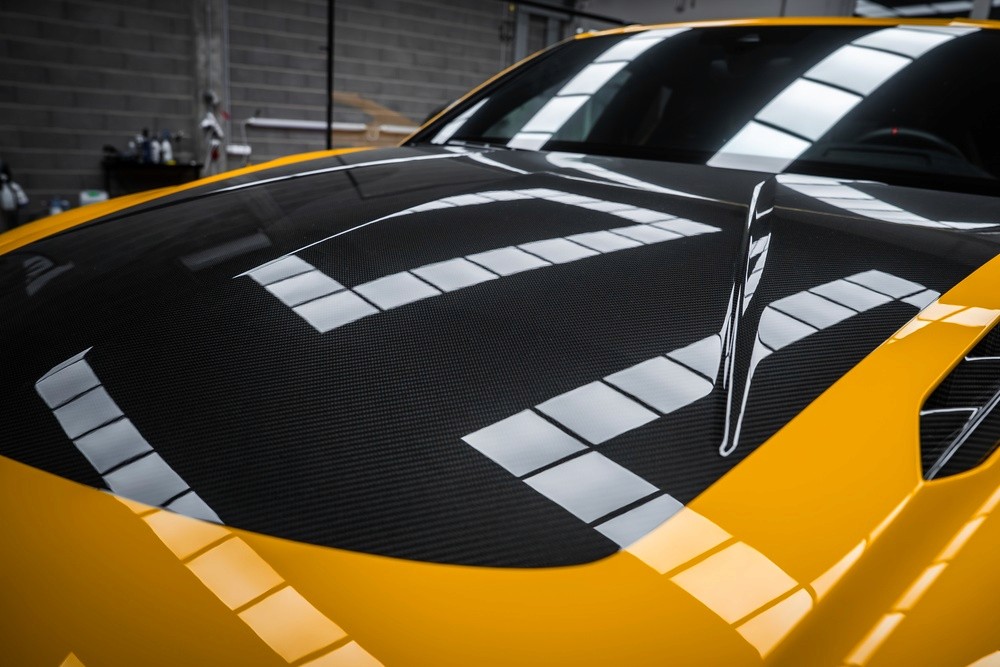
If you're looking to customize or refresh your carbon fiber body panels, bike parts, or automotive components, you may be wondering: can you paint carbon fiber?
The answer is yes - carbon fiber can be painted successfully, and when done correctly, it can significantly enhance both appearance and protection while maintaining the material's exceptional performance properties.
With proper surface preparation, quality materials, and precise application techniques, painting carbon fiber allows you to achieve a professional, durable finish that preserves the strength of the underlying composite material.
In this comprehensive guide, we'll cover everything you need to know about painting carbon fiber parts safely and effectively, from understanding the material to achieving showroom-quality results.
What Is Carbon Fiber? Understanding the Material
Carbon fiber is a high-performance composite material renowned for its exceptional strength-to-weight ratio, stiffness, and durability. The manufacturing process involves weaving ultra-thin carbon strands together and bonding them with polymer resin, creating what's known as carbon fiber-reinforced polymer (CFRP).
This advanced composite material delivers remarkable performance characteristics that make it invaluable across multiple industries:
Automotive manufacturing - Carbon fiber body panels, spoilers, hoods, and trim components
Aerospace engineering - Aircraft components and spacecraft structures
Sports equipment - Racing bikes, tennis rackets, golf clubs, and performance gear
Industrial applications - High-stress components requiring lightweight strength
The smooth, non-porous surface of carbon fiber presents unique challenges when it comes to paint adhesion, which is why specific preparation techniques are essential for successful results.
Can You Paint Carbon Fiber? The Complete Answer
Yes - carbon fiber can be painted successfully when you follow the correct surface preparation and coating process. However, the smooth, resin-rich surface of carbon fiber requires specific preparation steps to ensure proper paint adhesion and long-term durability.
Without proper preparation, common paint failures include:
Chipping and peeling
Poor adhesion and bond failure
Uneven finish quality
Premature coating breakdown
The key to success lies in understanding that carbon fiber behaves differently than traditional metal or plastic surfaces, requiring specialized techniques and compatible materials.
How to Paint Carbon Fiber: Professional Step-by-Step Process
Achieving professional-quality results on carbon fiber body panels and components requires following these essential steps in order.
1. Thorough Surface Cleaning and Decontamination
Begin by meticulously cleaning the carbon fiber surface to remove all traces of dust, grease, wax, fingerprints, and manufacturing residues. Use a dedicated automotive degreaser or isopropyl alcohol with lint-free cloths.
A contamination-free surface is critical for proper adhesion and prevents imperfections in the final finish.
2. Light Sanding for Mechanical Adhesion
Lightly sand the entire surface using 400-600 grit sandpaper, working in consistent circular motions. This creates microscopic textures that help primer and paint bond mechanically without damaging the carbon fiber weave structure.
Important: Avoid aggressive sanding that could cut through the resin layer and expose carbon fibers.
3. Apply High-Quality Adhesion Primer
Use a premium adhesion primer specifically formulated for plastics and composite materials. Apply the primer in thin, even coats using proper spray technique or high-quality brushes.
Quality primers designed for composites include:
Epoxy-based primers for maximum adhesion
Urethane primers for flexibility
Specialty plastic primers with adhesion promoters
Allow full curing time according to manufacturer specifications before proceeding.
4. Apply Base Color in Multiple Thin Coats
Once the primer has completely cured, apply your chosen paint color in multiple thin layers rather than attempting single heavy coats. This technique prevents common issues like:
Paint runs and drips
Bubble formation
Uneven color coverage
Extended drying times
Ensure your paint system is fully compatible with the primer and designed for exposure to environmental conditions including heat, UV radiation, and moisture.
5. Apply Protective Clear Coat System
After the base color has fully dried, apply a high-quality clear coat system for maximum protection and visual appeal. A proper clear coat provides:
UV protection preventing fade and degradation
Scratch and chip resistance
Chemical resistance
Enhanced gloss and depth
Allow complete curing time based on product specifications before handling, installing, or putting the component into service.
Benefits of Painting Carbon Fiber Components
Painting carbon fiber delivers both aesthetic and functional advantages that extend beyond simple appearance enhancement:
Protection Benefits:
Enhanced surface protection against environmental damage
Superior UV resistance preventing fiber degradation
Improved chemical resistance
Extended component lifespan in harsh conditions
Aesthetic Benefits:
Complete color customization options
Ability to match existing vehicle colors
Enhanced visual appeal and personalization
Professional, finished appearance
Performance Benefits:
Maintained structural integrity of the carbon fiber
Additional protective barrier against impact damage
Improved durability in demanding applications
When executed properly, painting can significantly extend both the functional lifespan and visual appeal of carbon fiber components without compromising their performance characteristics.
Common Mistakes to Avoid When Painting Carbon Fiber
Understanding what not to do is equally important for achieving professional results:
Skipping surface preparation - This leads to adhesion failure
Using incompatible primer systems - Results in poor bonding
Applying coats too thick - Causes runs, drips, and extended cure times
Inadequate curing time - Leads to soft, easily damaged finishes
Using low-quality materials - Results in premature failure and poor appearance
Professional vs. DIY: When to Seek Expert Help
While painting carbon fiber is possible for skilled DIY enthusiasts, certain situations warrant professional expertise:
High-value automotive components
Complex multi-color schemes
Parts requiring perfect color matching
Components subject to extreme environmental conditions
When warranty coverage is essential
Final Thoughts: Achieving Success with Carbon Fiber Painting
So, can you paint carbon fiber successfully? Absolutely - but success depends entirely on proper preparation, selecting appropriate materials, and following precise application techniques.
When done correctly, painting carbon fiber allows you to fully customize your components while maintaining their exceptional performance characteristics and durability.
At Materia, we specialize in advanced carbon fiber and composite solutions engineered for precision, durability, and performance across automotive and industrial applications. From initial design through final manufacturing, Materia delivers composite expertise trusted by industry leaders worldwide.
Ready to explore professional carbon fiber solutions for your next project? Contact us today to discuss your specific requirements and discover how our advanced composite capabilities can bring your vision to life.
More blogs worth exploring
Explore expert insights, industry trends, and practical articles on composite design, manufacturing, and applications.

Aerospace
5
min read
Revolutionizing Aviation: How Carbon Fiber Is Transforming Aircraft Efficiency and the Future of Flight
Discover how carbon fiber is revolutionizing aerospace manufacturing with enhanced fuel efficiency, superior strength, and advanced aerodynamic capabilities for next-generation aircraft design.
Automotive
6
min read
The Ultimate Guide to Custom Carbon Fiber Parts: From Concept to Production
Discover carbon fiber's automotive revolution since the 1980s. Master the complete 5-step process for designing custom parts, from planning to manufacturing partner selection.